
Shisha buyer guide · Article 221
How Buyers Can Assess Coconut-Shell Feedstock Screening for Shisha Charcoal
Ask practical questions about incoming material identity, visible contamination controls, storage and screening records. Separate what the evidence shows from what still needs verification.
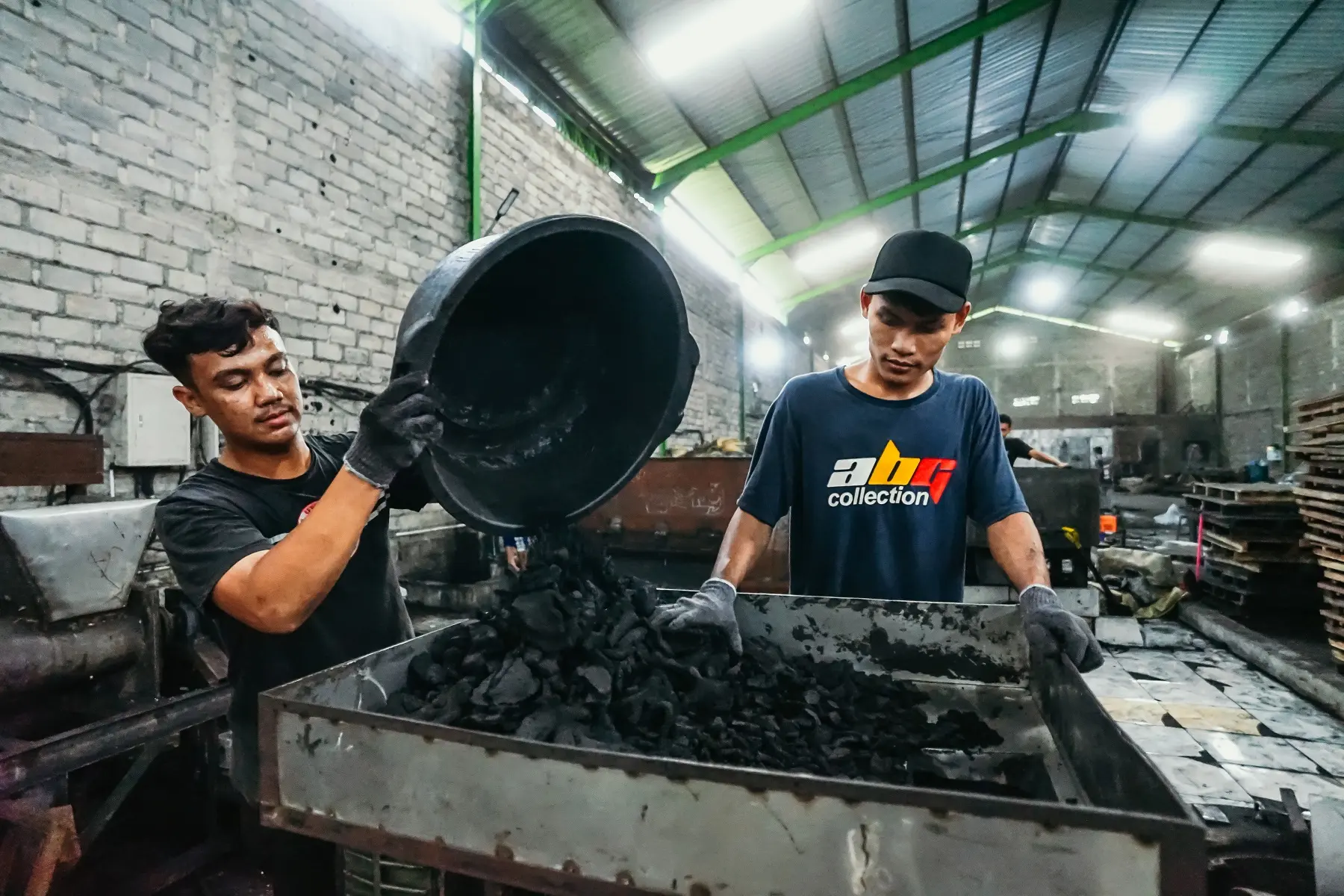
01 · Define the material and the control point
Start with identity, not a finished-cube photograph.
Coconut shell charcoal feedstock screening is a review of what material enters production, how unwanted material is identified and separated, and which records support those controls. It is one part of supplier assessment; it does not establish finished shisha cube performance by itself.
First ask whether the facility receives whole shells, carbonized shell charcoal, crushed charcoal or another prepared input. Identify which stages are performed at the quoted facility and which are performed upstream. A video of cube pressing cannot establish how the original shell material was sourced or carbonized.
Request the material description, responsible receiving contact and the supplier or delivery reference that can be shared. Commercially sensitive supplier names may be restricted; agree an alternative record review or redacted reference. Do not describe an order as fully traceable to shell origin unless the documented links actually support that claim.
02 · Review receiving and visible contamination controls
Ask what is checked and what happens to a suspect delivery.
Ask which visible foreign materials the receiving check addresses, such as stones, metal fragments, soil, packaging debris or visibly different material. These are questions for the supplier, not a claim that any particular contaminant is present or that one removal method handles every risk.
Request the receiving procedure or a practical explanation of the inspection point, responsible person and records retained. Ask how the selection of material for examination is made and whether the check covers every delivery or a defined subset. A clean handful shown during a call describes only that selected material.
Clarify the actual separation methods used and their limits. Manual sorting, screens and other equipment perform different functions; ask what each stage is intended to remove and how its condition or operation is checked. Do not assume that a magnet, screen or visual inspection exists because it would look reassuring on a checklist.
For rejected or uncertain material, ask how it is identified, segregated and prevented from being used while a decision is pending. Request an anonymized example of a hold, rejection or corrective action if available. A written policy is stronger when the operation can explain how it handles a real exception.
03 · Inspect storage and material movement
Follow the material after receipt.
Ask how accepted inputs are kept separate from held material, floor debris, returned material and unrelated inputs. Check how storage areas, bags or bins are identified and how the receiving reference follows the material when it moves into production.
Review the measures used to limit exposure to water, dirt and mixing during storage and transfer. Ask who checks storage condition and what action follows a wet bag, damaged covering or uncertain identity. A dry-looking image cannot establish measured moisture content or conditions during the preceding storage period.
If materials from several deliveries are combined, ask how that combination is recorded and which production batches can be linked to it. The relevant question is the documented boundary of traceability, rather than a demand for a confidential blend recipe. Record gaps explicitly when the link ends at a delivery group or storage bin.
04 · Request evidence with dates and boundaries
Connect the explanation to observable records.
Begin with a current process explanation and a dated record example. Then, where appropriate and agreed, use a live factory call to follow receiving, storage, screening and transfer points. Identify what is being shown, when it is shown and whether that material is connected to the proposed product or order.
A photo can show visible handling or equipment at one moment. It cannot establish coconut-shell purity, chemical composition, routine inspection frequency or consistent compliance across deliveries. An equipment image is also not proof that the equipment was operating, maintained or used for the goods under discussion.
If a material property requires testing, agree the property, method, reporting basis, sample identity and suitable provider separately. Keep laboratory findings attached to the submitted sample and report scope. Do not use ash color, cube appearance or a generic test certificate to authenticate every incoming delivery.
PT Unimax Pro Indonesia has equity ownership and operational control in the production facility. Factory visits and live factory video calls are available. Discuss the evidence and access relevant to your inquiry; these company facts do not imply that every record requested below is available or that this page reports an audit result.
05 · Turn incomplete answers into a sourcing decision
A useful response identifies a control, its evidence and its limits.
A specific answer names the input stage, responsible role, check performed, record reference and action for a deviation. A statement such as “we use good coconut shells” leaves those questions unanswered. Ask one focused follow-up rather than assigning a favorable score to confident wording.
For example, a hypothetical supplier may show a receiving entry and a screening station but cannot connect a storage bin to a particular cube batch. That supports the existence of the observed activities, while batch linkage remains unresolved. Request the missing movement record or narrow the claim; do not infer end-to-end traceability.
If confidential information is the obstacle, agree a redacted record, live review without copies or an appropriately scoped independent review. If access remains insufficient for your requirement, keep the point open and decide whether to pause approval, request more evidence or accept a clearly documented limitation.
Compare production samples with the agreed finished-product requirements separately. Feedstock controls and finished-cube evaluation answer related but different questions. Use the raw-material variation guide for broader consistency concerns and the sample-to-production guide to review how approved samples connect to an actual order.
Buyer tool · raw-material screening questions
Feedstock screening review sheet
Supplier / facility ___; product ___; review date ___; proposed order ___; buyer reviewer ___. Record the actual answer, evidence reference and limitation for each point. These fields are requests for evidence, not a certification checklist or current factory results.
| Review point | Buyer question | Evidence to request | Status / next action |
|---|---|---|---|
| Input identity | What form of material is received, and which stages occur here? | Material description; process boundary; receiving reference ___ | Confirmed stage / unresolved upstream link ___ |
| Sourcing record | What delivery or supplier reference can the buyer review? | Dated entry or agreed redacted record ___ | Available / restricted / alternative review ___ |
| Receiving check | Who examines material, how is it selected, and what is checked? | Procedure; coverage; responsible role; dated example ___ | Observed control / missing evidence ___ |
| Foreign-material separation | Which separation stages are actually used and what are their limits? | Station identification; operating check; maintenance reference if relevant ___ | Verified activity / unverified claim ___ |
| Exceptions | How are suspect inputs held and disposition authorized? | Hold identification; segregation; release or rejection record ___ | Open action; owner; due date ___ |
| Storage | How are accepted inputs protected and kept identifiable? | Area / bin IDs; condition check; deviation action ___ | Condition observed; date; limits ___ |
| Movement and mixing | What links deliveries, storage groups and production batches? | Transfer or combination record; batch reference ___ | Traceability boundary; gap ___ |
| Property testing | Which property needs separate testing for this requirement? | Method; sample ID; reporting basis; report date ___ | Applicable result / pending / not assessed ___ |
| Buyer decision | What evidence is sufficient for the proposed order? | Reviewed references; unresolved points; agreed follow-up ___ | Proceed / request evidence / pause; reviewer; date ___ |
Close the review with an explicit evidence boundary
Material stage reviewed ___; records seen ___; observations made ___; confidential items and agreed alternatives ___; unverified links ___; required follow-up ___; responsible person / due date ___; buyer decision and authorization ___.
Feedstock screening questions
Can a production photograph prove coconut-shell purity?
No. It documents visible context at one moment. Material identity and any claimed property need records or appropriately scoped testing.
Should buyers request a confidential recipe?
Focus on input identity, control points, exception handling and record linkage. Agree redacted evidence or a scoped review where necessary rather than demanding proprietary formulations.
Does screening guarantee consistent finished cubes?
No. Review finished-product samples and agreed specifications separately. Screening evidence alone cannot establish burn behavior, ash content or conformity of every batch.
What if material from several deliveries is combined?
Ask how the combination is recorded and which production batches can be linked to it. State the actual traceability boundary and leave unsupported origin claims unresolved.
Commercial discussion
Discuss the production evidence your buying decision needs.
Share your destination, shisha product requirements, intended volume and the control points you want to review. Discuss available production evidence, current specifications and a qualified live factory call.
Discuss production evidenceFactory and quality evidence · About PT Unimax Pro Indonesia · Shisha charcoal products · Contact Unimax
Related buyer guides
Match approved samples to production · Raw-material variation and batch consistency · Factory audit checklist for buyers